Mr. A stars in this gossamer-light comedy of a wealthy man who feigns poverty so his family will stay home with him evenings. Mary Astor plays his wife(!) and much is made of the big difference in their ages. And is Mary playing around with her Italian music teacher?
Mr. A has a daughter played by Evalyn Knapp:
and a son played by William Janney:
Will the family rally around Mr. A? All I’ll tell you at this point is that Mary Astor leaves and takes her jewelry with her, leaving behind a note for Mr. A. How will Mr. A resolve this dilemma?
Now enjoy the original preview trailer and catch the feature on Monday morning, May 3, at 6:30 AM eastern time!
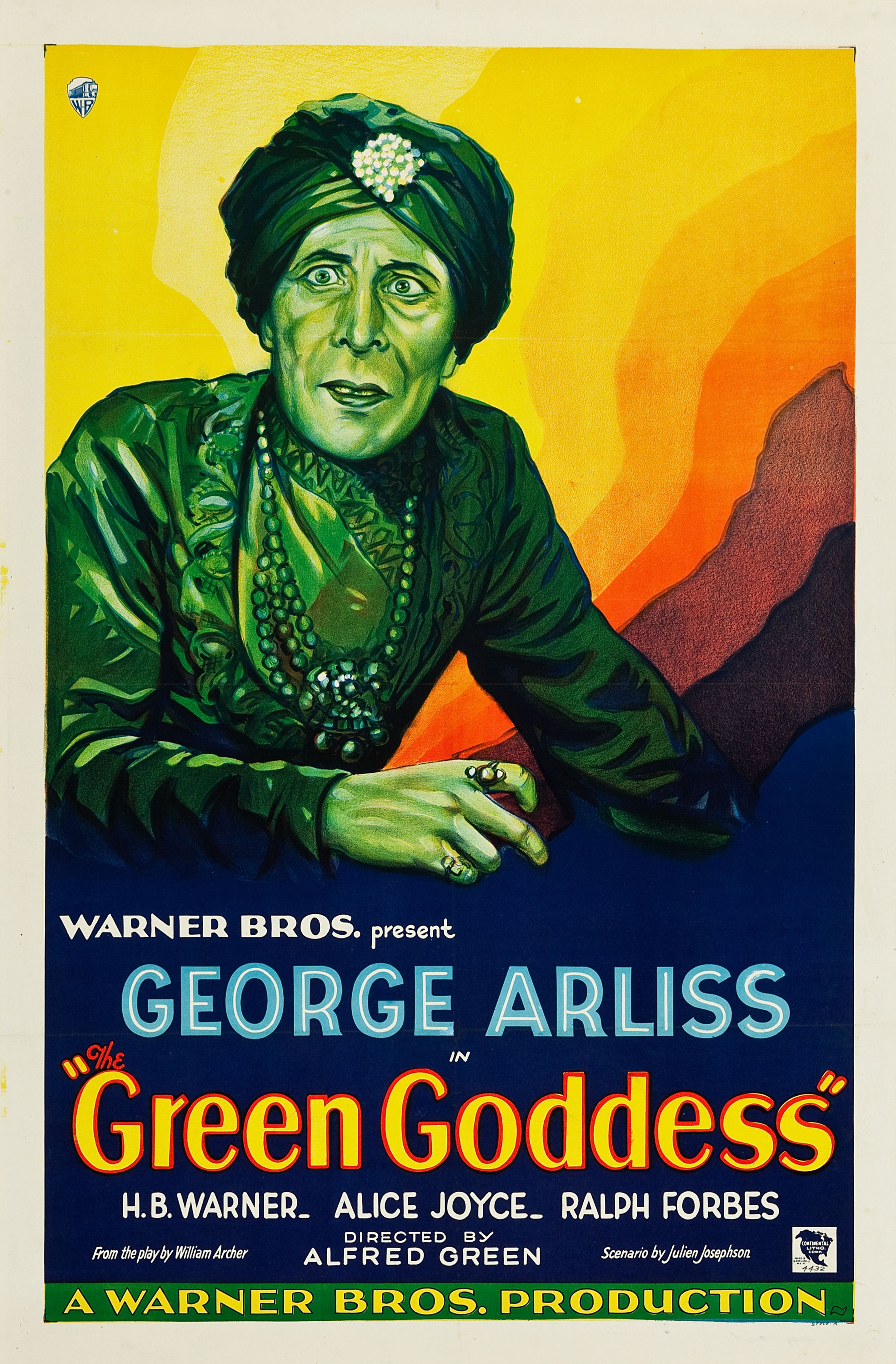
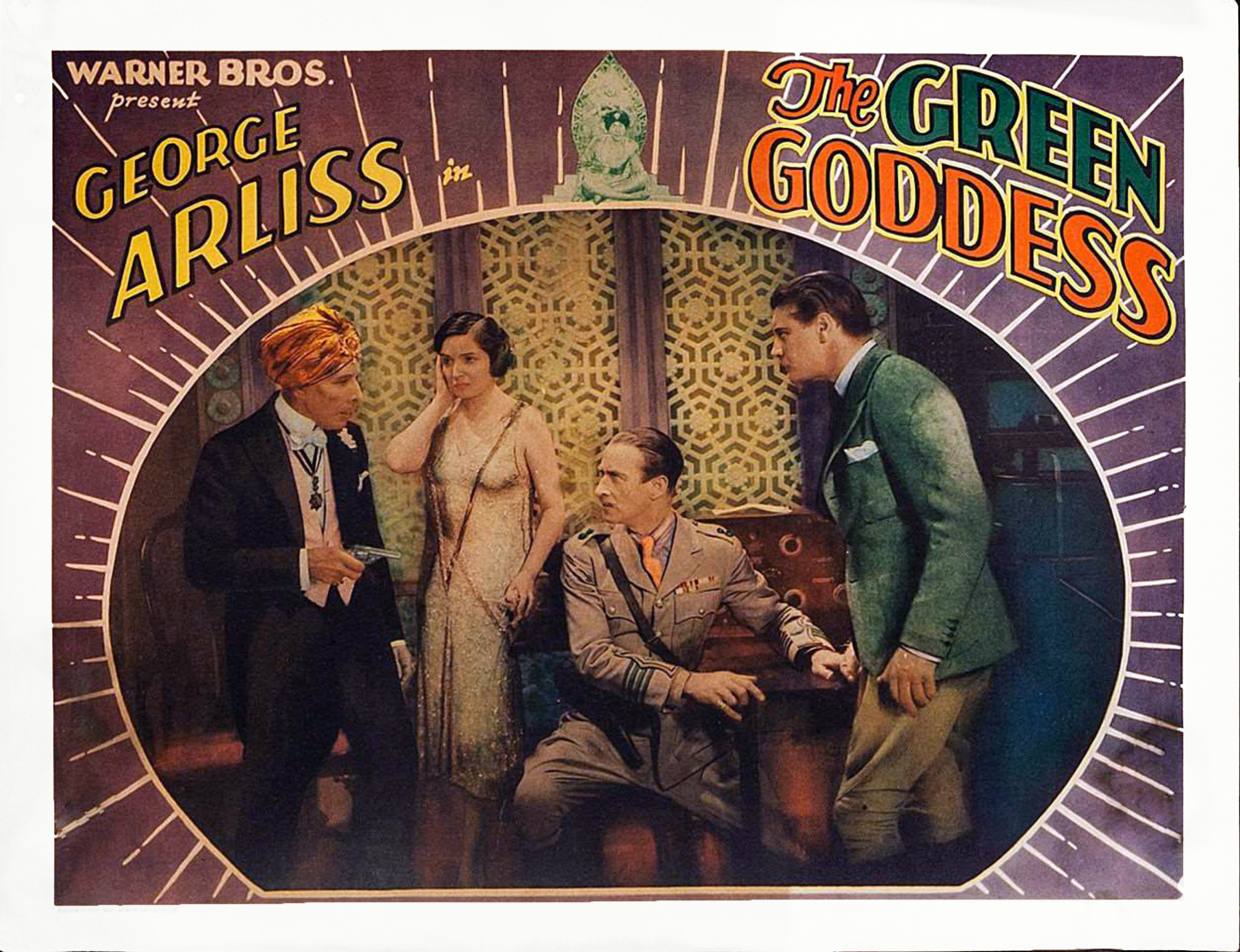
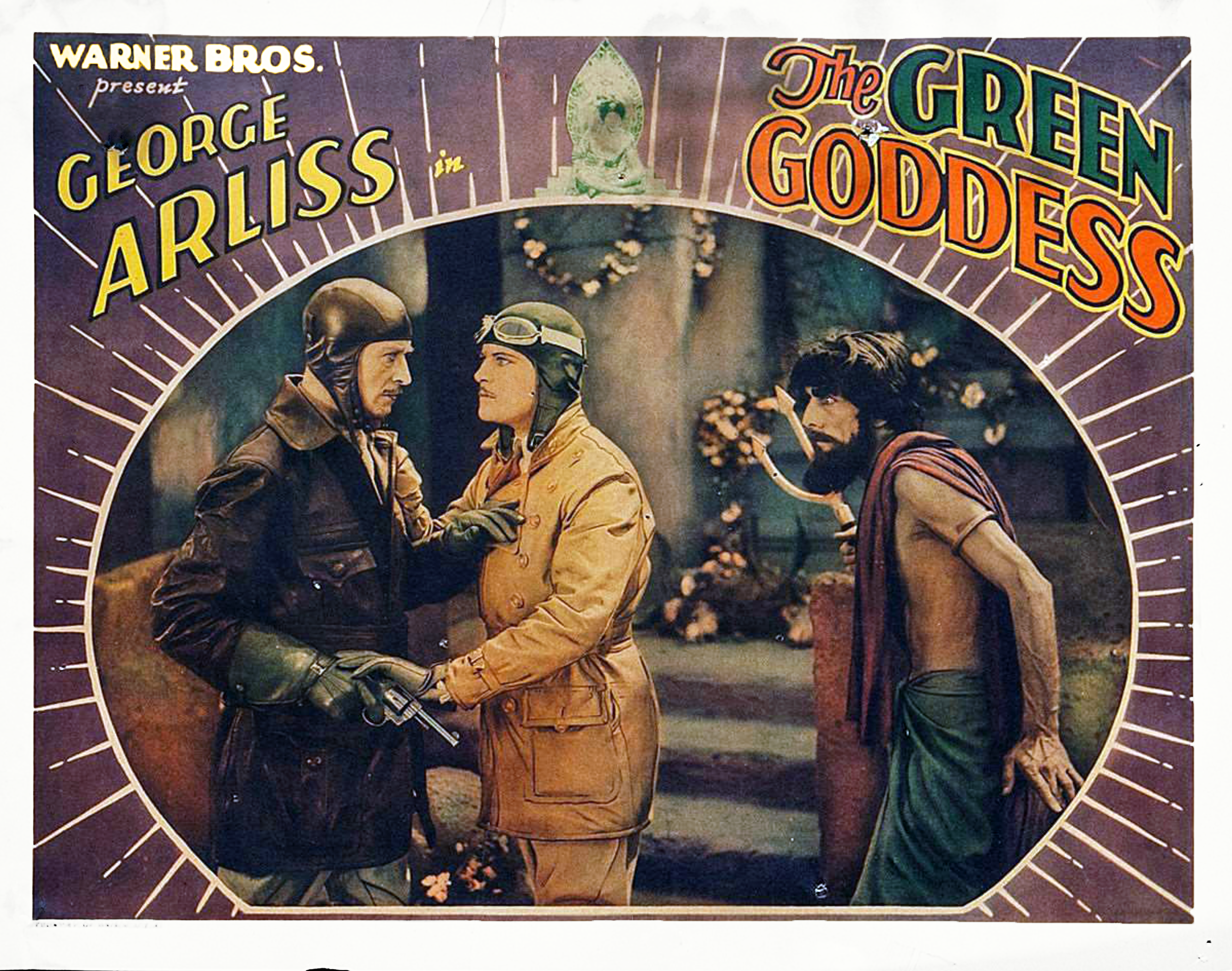
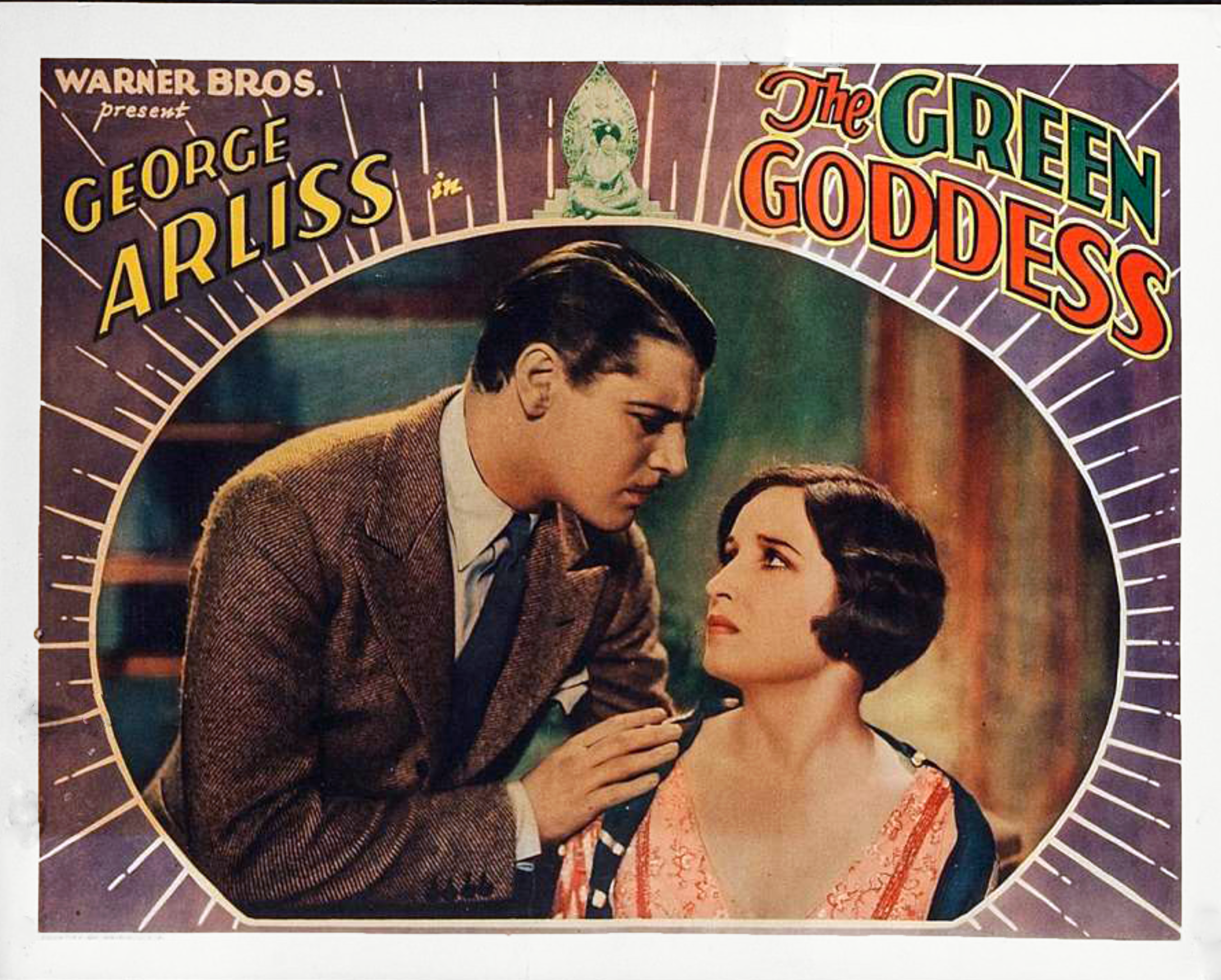
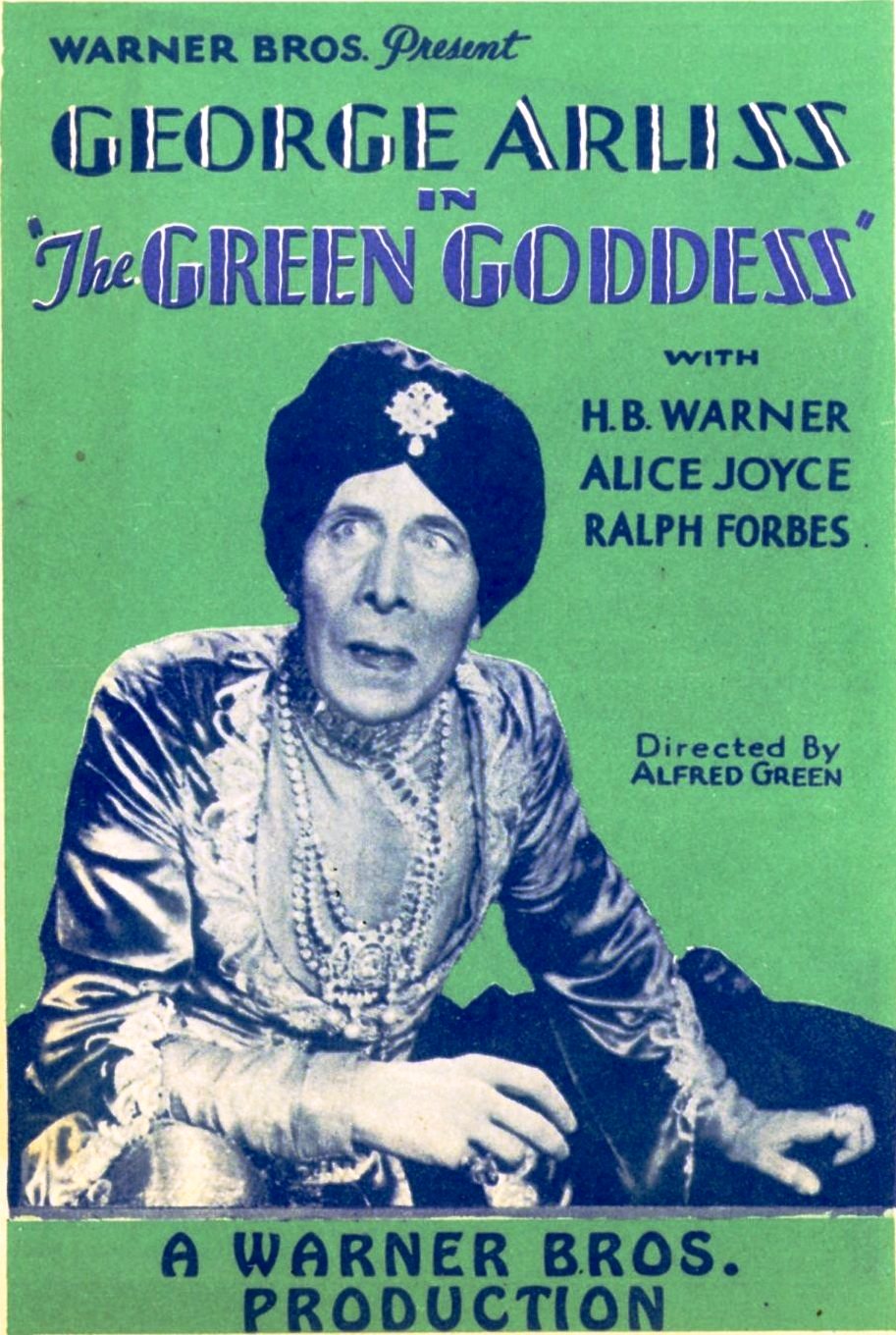
THE GREEN GODDESS was Mr. A’s first talkie and was produced during the summer of 1929. At his suggestion, TGG was withheld from release until Mr. A’s second talkie, DISRAELI, had been released first, in October 1929. Mr. A felt that DISRAELI was the better of the two films, an opinion generally shared by most film reviewers of the day. That said, THE GREEN GODDESS is a highly enjoyable film and is quite topical to the 21st century with its story of eastern intrigue, jealousy, and terrorism. George Arliss was nominated for the Best Actor Academy Award together with DISRAELI. It marks the only time in Academy history that an actor competed against himself in two separate films. The voting selected DISRAELI alone, meaning of course, that Mr. A won out against himself. But he also won over other nominees including Ronald Colman and Maurice Chevalier.
THE GREEN GODDESS is wonderful entertainment with Mr. A as the slinkiest of villains. His closing line alone is worth the price of admission!
I’m a little late on this but Warner Archive recently issued the sixth official studio DVD release of Classic Arliss. This time it’s Mr. A’s blockbuster, THE MAN WHO PLAYED GOD:
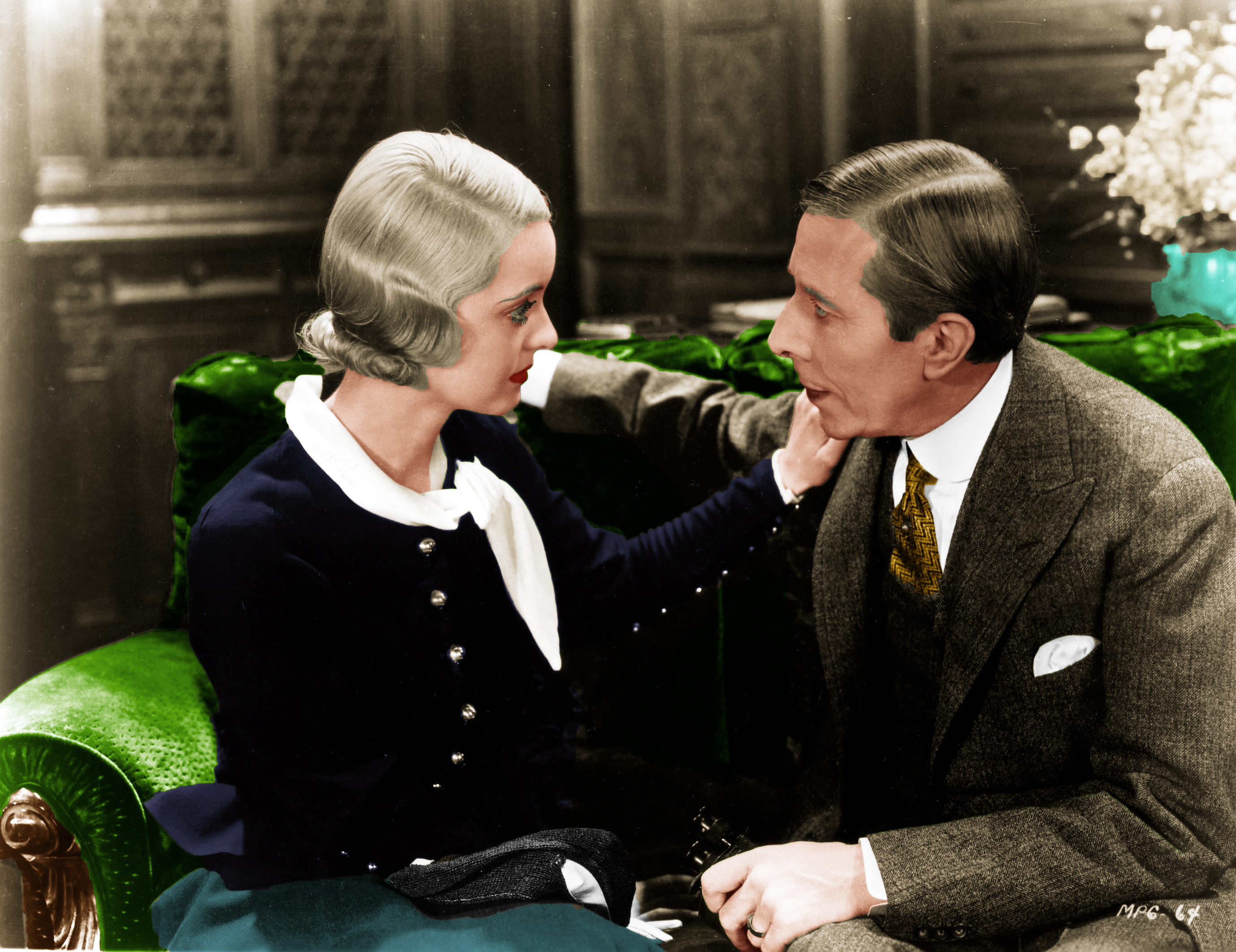
Mr. A arranged for Warner Bros. to hire a young unknown actress named Bette Davis to play the role of his fiancee in the film. This proved to be Bette’s breakthrough film:
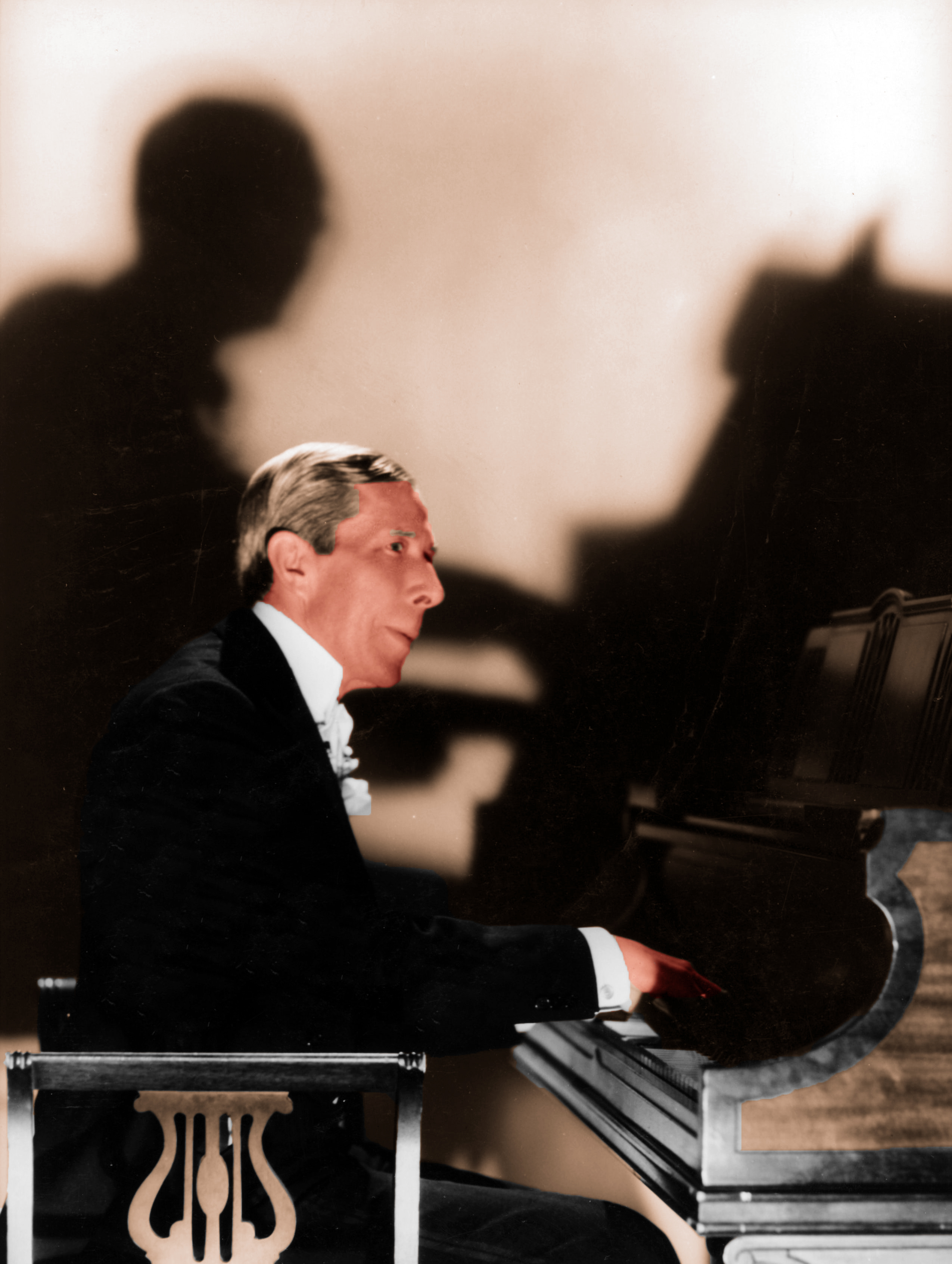
George Arliss plays wealthy concert pianist Montgomery Royale who seems to have it all:
Royale is in the wrong place at the wrong time and is injured by a bomb in a terrorist attack (yes, even then). The blast destroys his hearing and he can no longer hear his own music. His life ruined, he becomes so depressed that he attempts suicide:
Royale learns lip-reading, which turns out to be a mixed blessing. He goes from believing that God has abandoned him to the realization that he has become God’s instrument to help the less fortunate:
But through lip-reading he learns that his fiancee loves another man. Royale asks himself, “I wonder what God would do in a case like this?” This strangely inspiring film still moves viewers over 80 years later. A true classic:
Mr A later performed a live radio broadcast of this story that was heard around the world. To hear this historic broadcast, please click on “Radio” in the right hand column, and then click on THE MAN WHO PLAYED GOD.
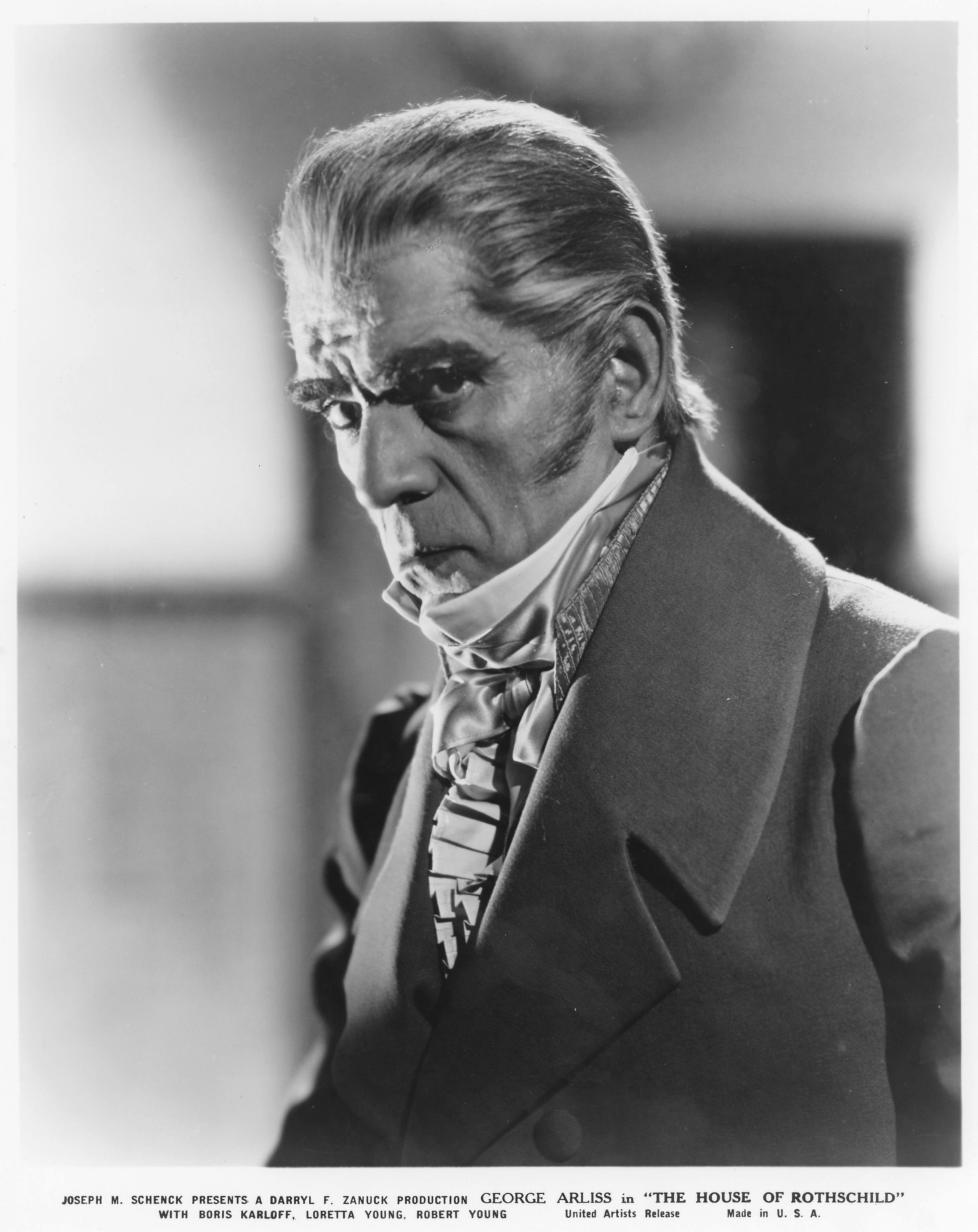
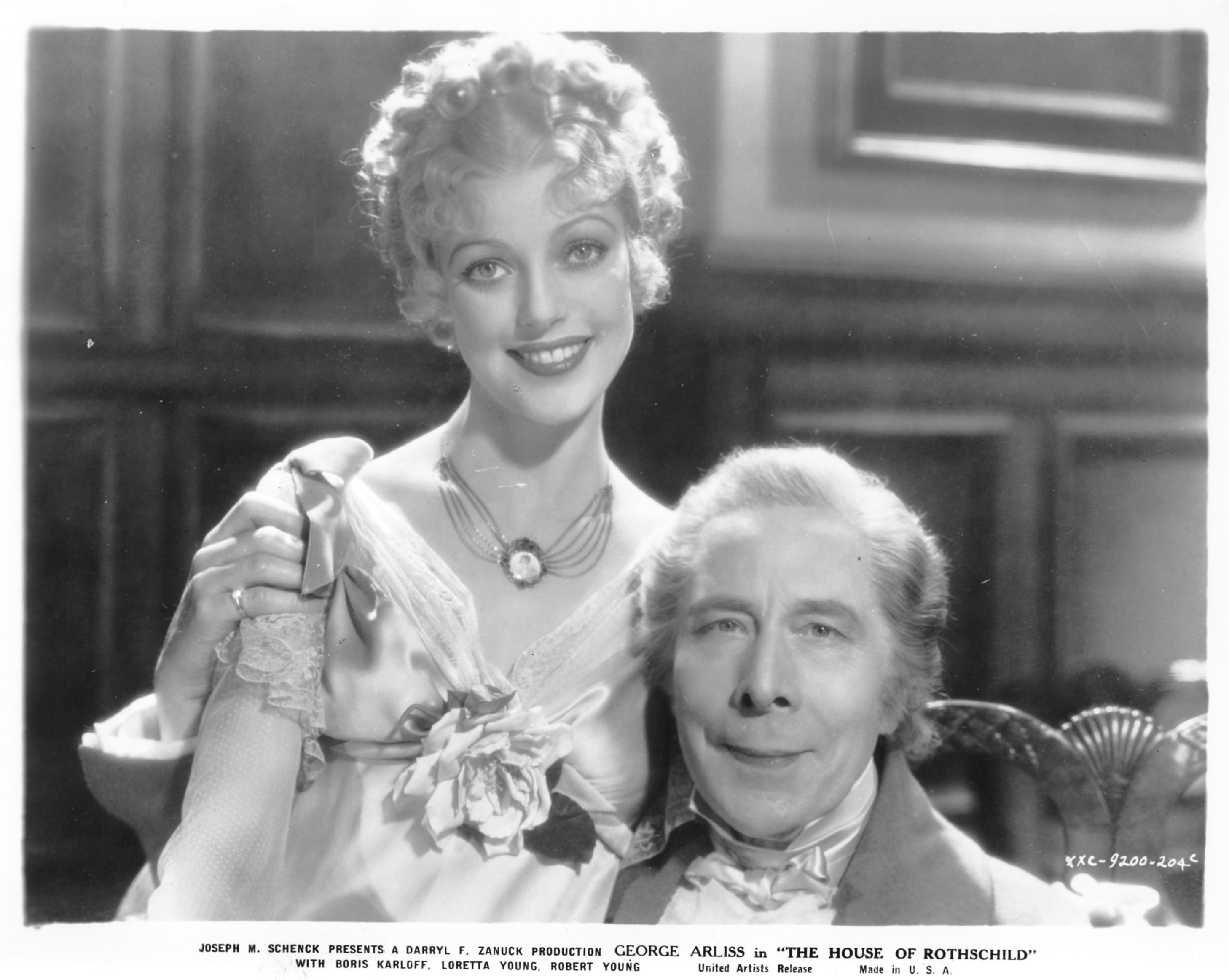
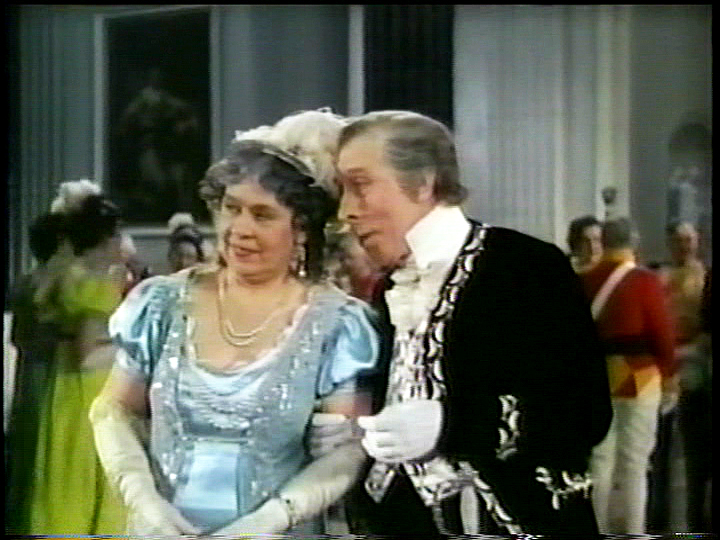
George Arliss returns to the air in prime time. This Tuesday, September 23, Turner Classic Movies (TCM) is showing THE HOUSE OF ROTHSCHILD at 8 PM, eastern time. Better yet, the finale is being shown in its original Technicolor glory! Better not miss this one.
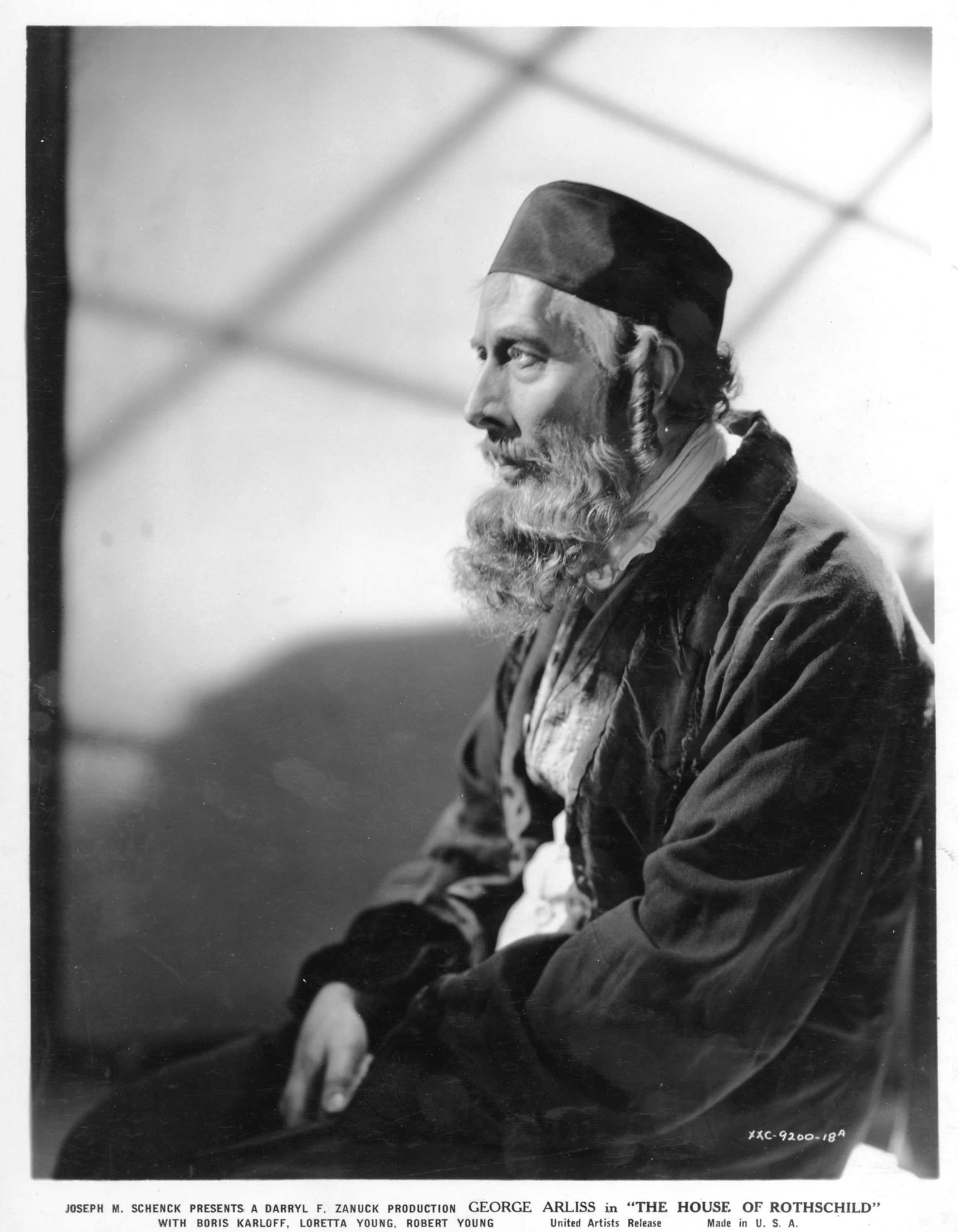
Mr. A as Meyer Rothschild in the film’s prologue:
Boris Karloff as the antisemitic Prussian Count Ledranz:
Loretta Young as Julie and Mr. A as her father, Nathan Rothschild:
A Technicolor frame capture with Loretta Young and Robert Young:
Another frame cap from the Technicolor finale, Florence Arliss and Mr. A:
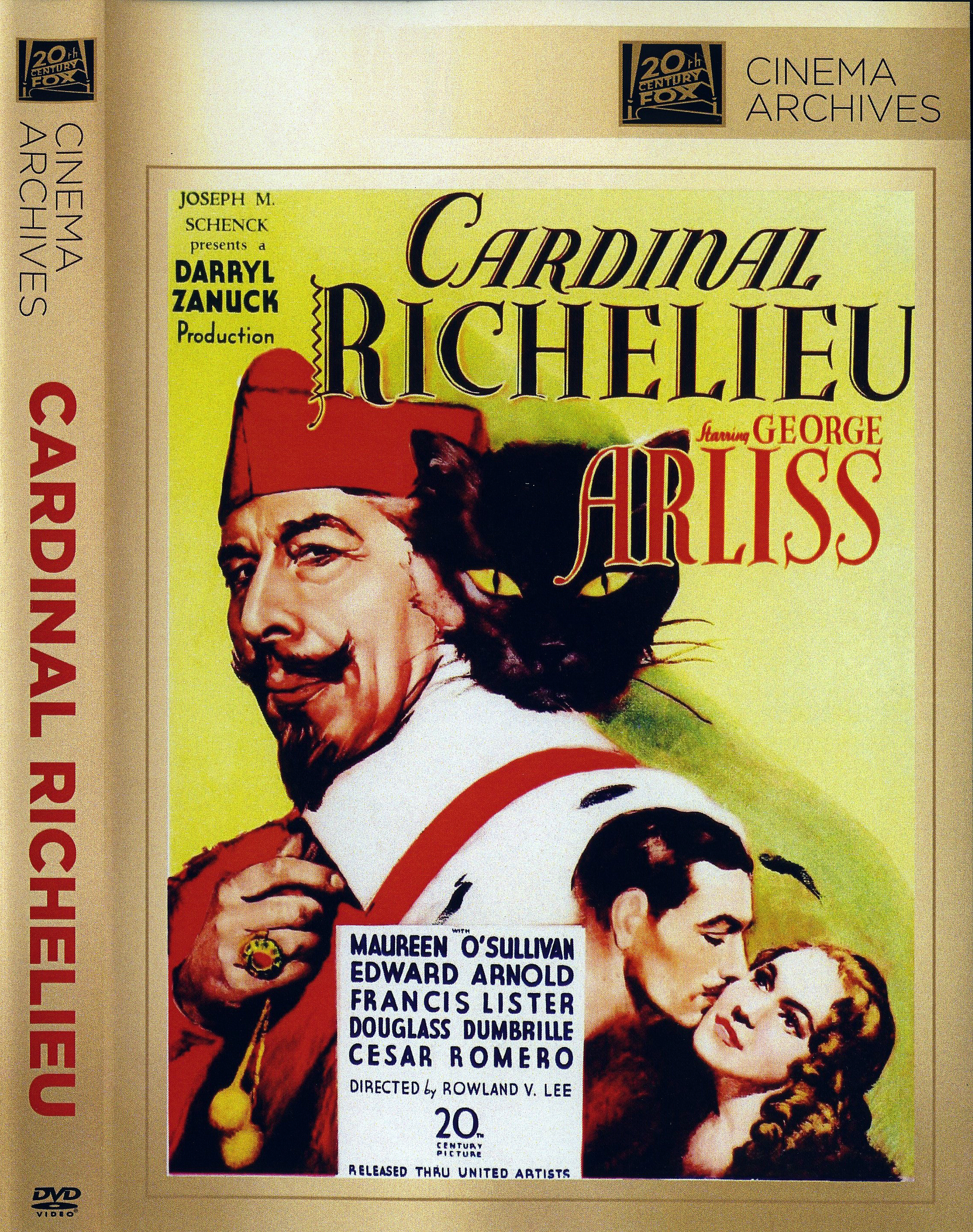
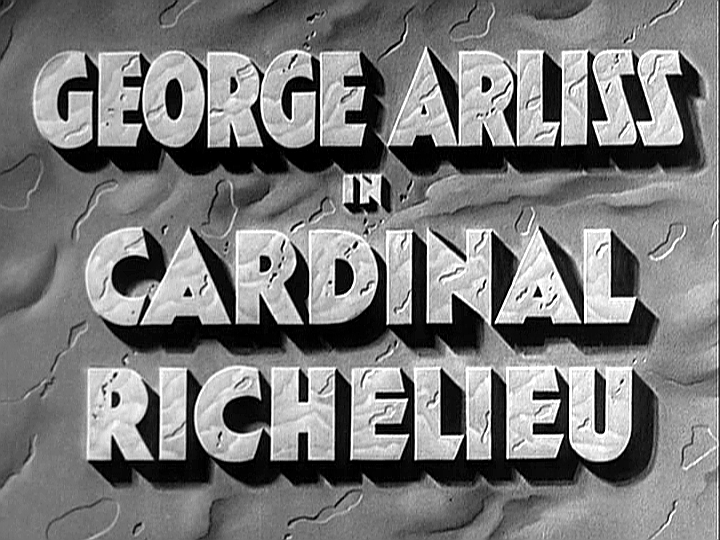
Twentieth Century-Fox has just released on DVD the classic George Arliss costume film, CARDINAL RICHELIEU. This makes the fifth Arliss film to receive an official studio home video release:
These are screen captures of the main titles – quite a line up of talent both in front of and behind the cameras:
Filming a scene with Maureen O’Sullivan:
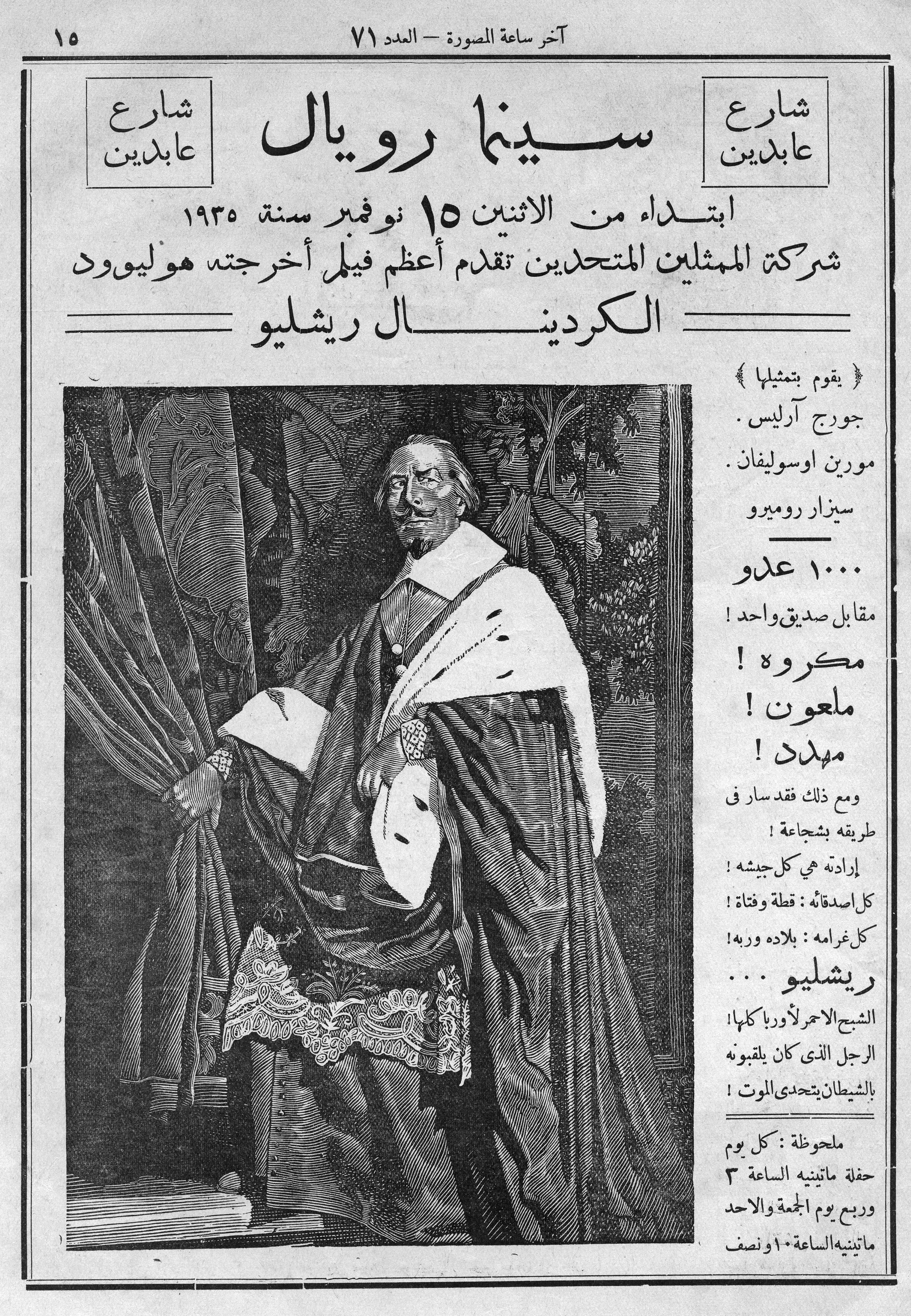
CARDINAL RICHELIEU plays in the Middle East:
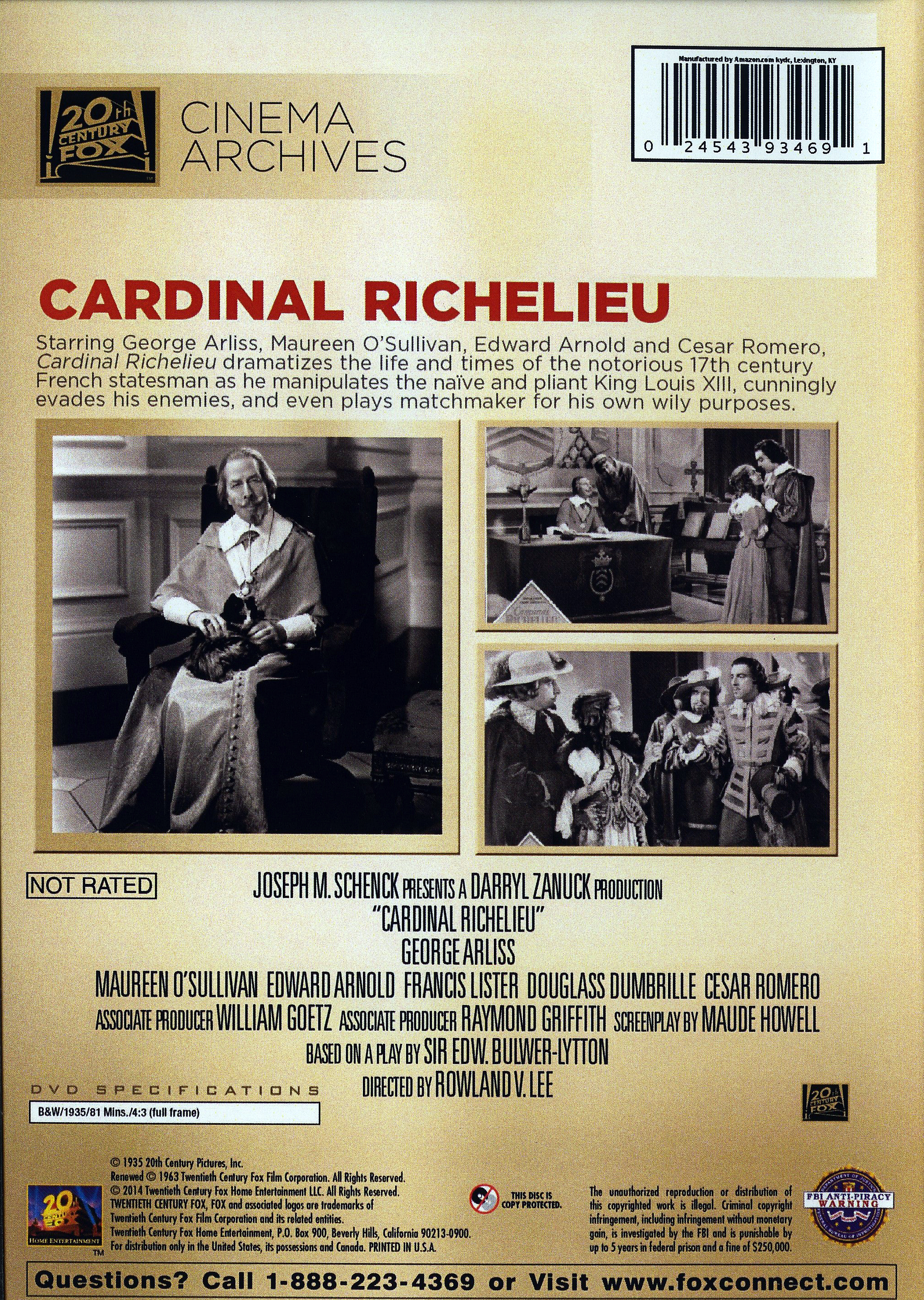
The back cover of the DVD snap case:
For more photos, info, and to hear the radio version of this terrific film, please click on the CARDINAL RICHELIEU link on the right-hand column.
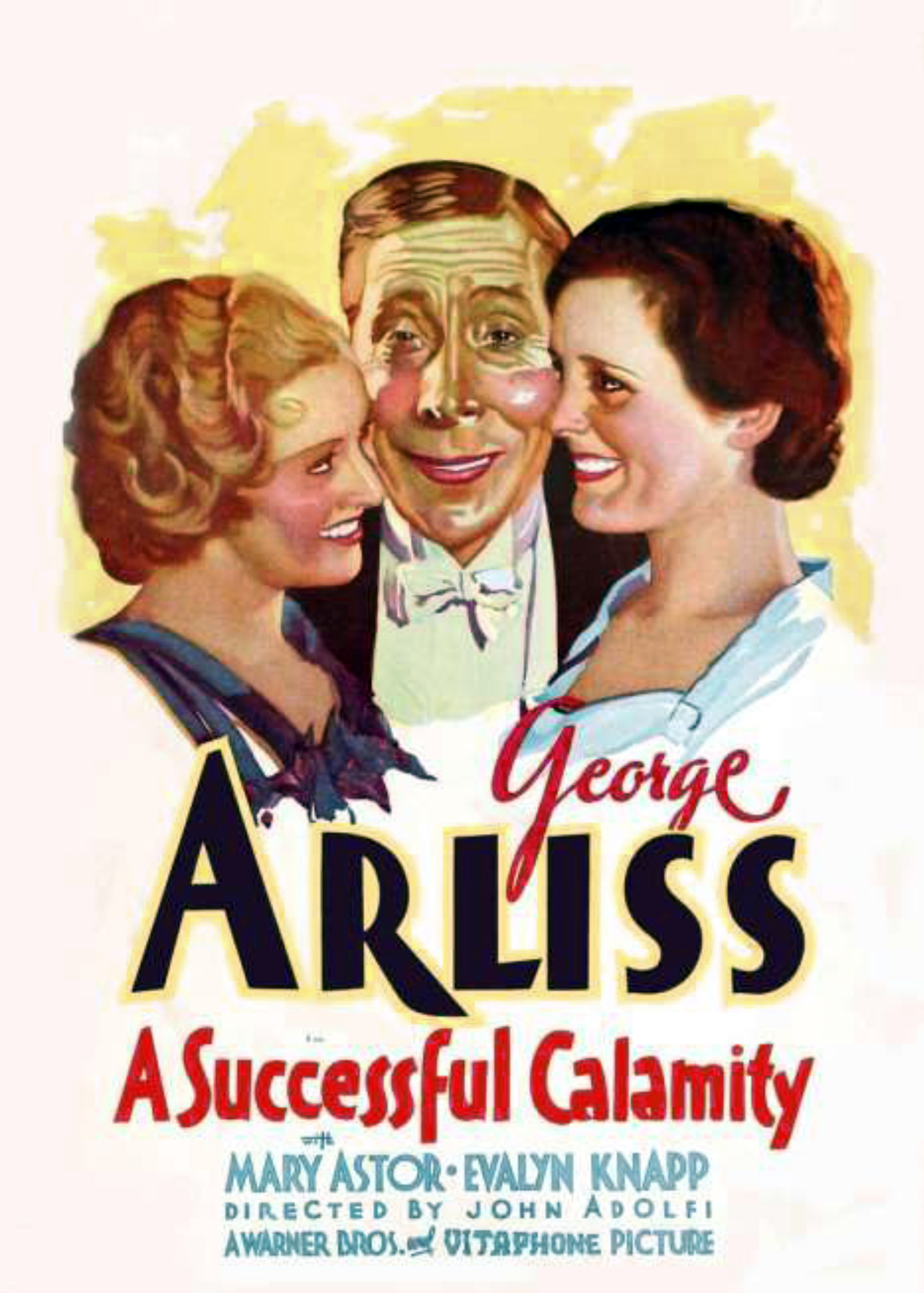
The delightful comedy, A SUCCESSFUL CALAMITY, is being aired on Turner Classic Movies, Thursday March 20, 2014, at 6:45 AM Eastern Time. This film is part of TCM’s month-long salute to Mary Astor, who plays Mr. A’s wife in the movie.
DON’T MISS THIS ONE!
It’s the start of Academy Award Season so naturally Mr. A’s 1929 Oscar winner is one of the first films honored by Turner Classic Movies (TCM). DISRAELI is not yet available on DVD so be sure to set your tivo, vcr, or whatever you use for time-shifting so you don’t miss it. See George Arliss and the famous Arliss Stock Company including 19th century players such as Florence Arliss, Ivan Simpson, David Torrence, and Charles Evans. Youngsters include a 19 year old Joan Bennett.
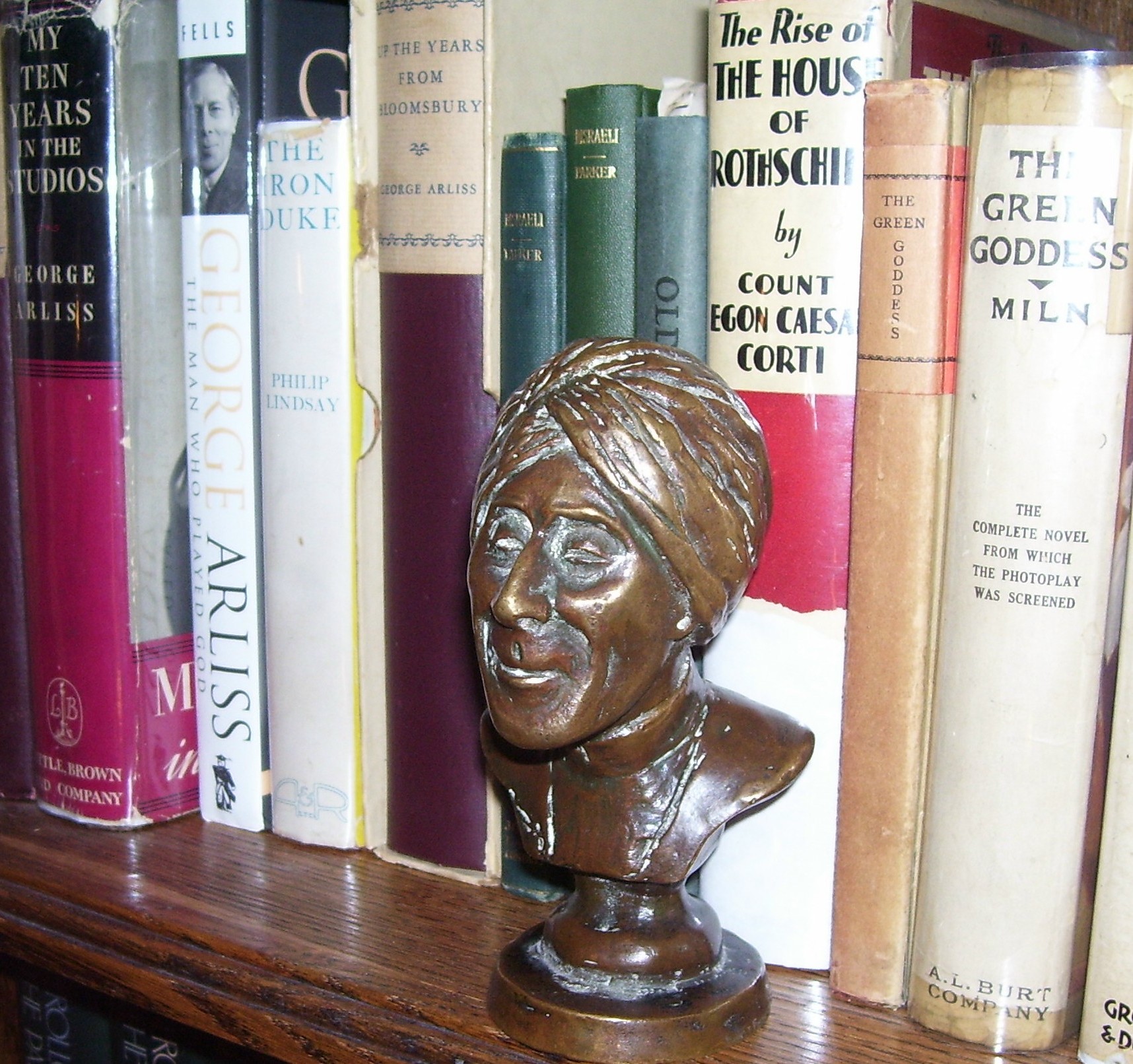
Actor-sculptor Ivan Simpson puts the finishing touches on his bust of Mr. A as Disraeli. Mr. Simpson plays the financier Hugh Myers in the movie:
If your blogmeister had to name only one George Arliss film to somebody who had never seen any, unquestionably that film would be THE WORKING MAN (1933). Never before available on home video, Warners Archive just released this clever comedy on DVD and remastered the film to help make it look brand new!
THE WORKING MAN was made at the height of the Great Depression when, under the circumstances, it was popular to attack Capitalism and America’s free market economy. But this film shows how Capitalism can be fun and how the free market creates new jobs:
Mr. A plays a shoe manufacturing tycoon who sees his chance to take over a rival’s business. Complications ensue and Mr. A ends up competing with his own company.
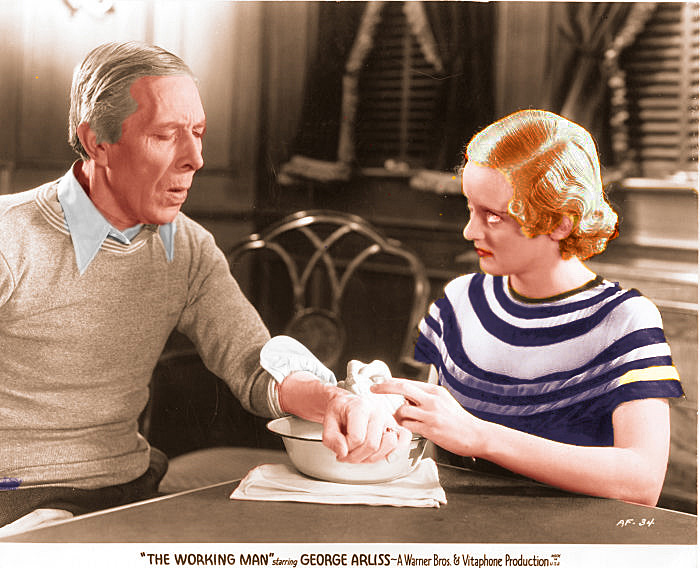
Romance also ensues as Bette teaches Mr. A’s stuffy young nephew a few lessons in love:
The film’s back story is even better: Mr. A discovered Bette and launched her successful film career. See it all happen in THE WORKING MAN:
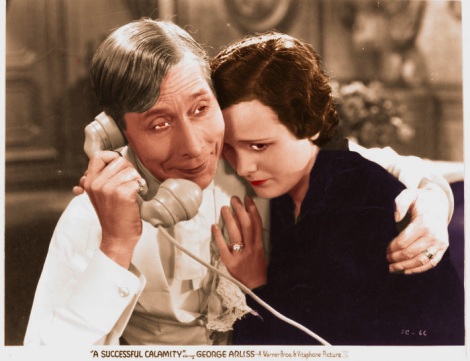
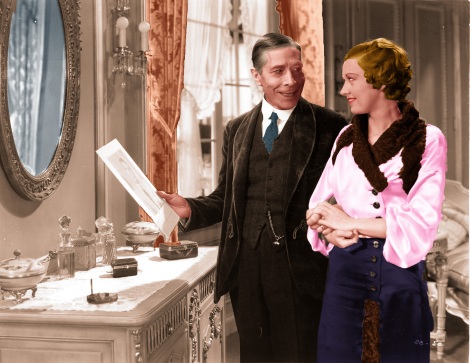
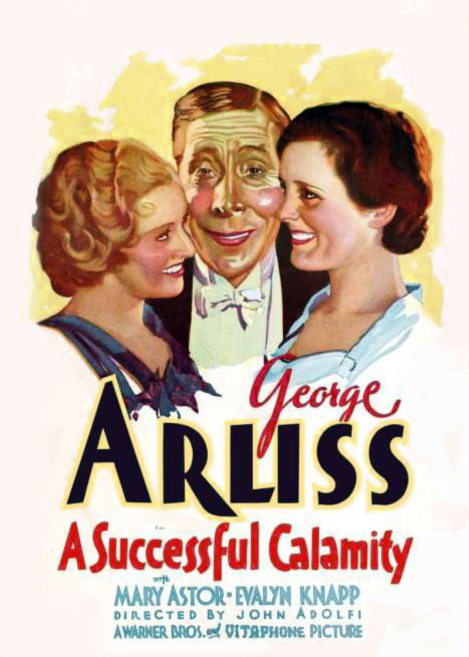
No doubt you have wondered what the classic TV show, “Father Knows Best,” would have been like if George Arliss had played the title role instead of Robert Young? Well, wonder no more because this Friday, May 3, Turner Classic Movies (TCM) is airing Mr.A’s gem of a family comedy, A SUCCESSFUL CALAMITY at 12:15 PM eastern daylight time:
Mr. A plays Jim Wilton, international financier who has been in Europe for the past year in the service of the U.S. Government. Now back home, he is anxious to reconnect with his son and daughter but finds that their lives have moved on without him.
Mary Astor co-stars as Mr. A’s much younger wife, who in his absence, has become the protegee of a classical pianist. Hmmnnn.
How Mr. A thinks up a scheme to reclaim his wife and children is the “calamity” that he turns to success in this delightful comedy. This film is also a reminder that Mr. A excelled in more than historical biographies. Don’t miss this one!
By 1938, George Arliss had distinguished himself in three very successful careers of the performing arts: on the stage, in silent films, and in sound films winning the Best Actor Academy Award for DISRAELI. Now at the age of 70, which in 1938 was regarded as the equivalent of 80 or even 90, Mr. A decided to tackle live network radio broadcasting. In those years before television, just about everybody listened to the radio and given the effects of the Great Depression, this form of free home entertainment was most popular. Although the U.S. population was smaller then, more people tuned in to a popular broadcast than people today who watch TV. One of the most popular radio shows in the late 1930s was the Lux Radio Theater, hosted by no less a film eminence than Cecil B. DeMille. A typical Monday night broadcast of Lux was heard by 30 million to 50 million people, and that was not counting shortwave broadcasting that was beamed around the world and to all ships at sea.
Performing under these circumstances tended to be more of a nerve-wracking ordeal to younger film actors, but to thespians of Mr. A’s vintage performing before live audiences was business as usual. Even the fact that more people would hear him perform on one broadcast than ever saw him during his half-century career was a mere detail. Please click below to travel back in time to Monday, March 21, 1938, to hear C.B. DeMille, Mr. and Mrs A, Ivan Simpson, and Dolores Costello in the radio adaptation of Mr. A’s Warner Bros. hit film of 1932, THE MAN WHO PLAYED GOD:
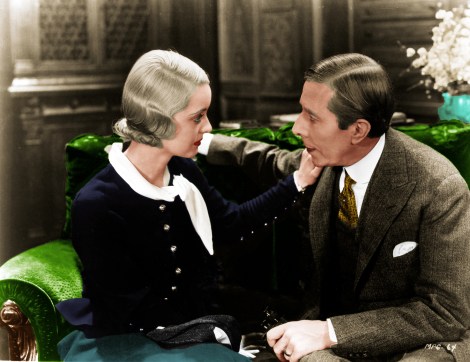
While we’re listening, let’s check out some photos and artwork from the movie version. An unknown Bette Davis played the feminine lead, Grace, solely on Mr. A’s recommendation. It proved to be her breakout film and the public wanted to see more Bette Davis in movies:
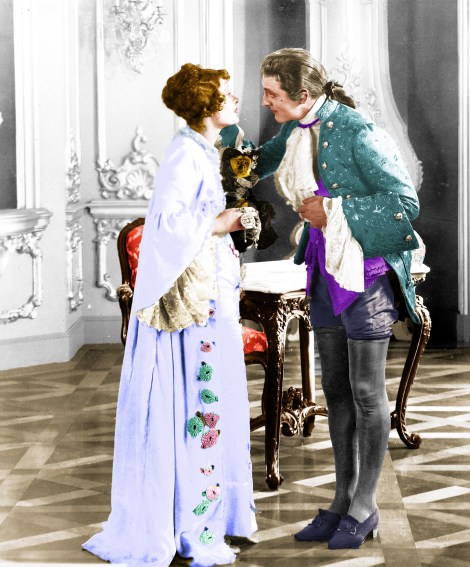
On radio the role of Grace was played by Dolores Costello who ironically had been a big star at Warners before either Mr. A or Bette Davis arrived at the studio. Dolores was married to John Barrymore for a few years (they are shown below in WHEN A MAN LOVES from 1927) and by 1938 she was restarting her career. Today Ms. Costello is known mainly as the paternal grandmother of Drew Barrymore:
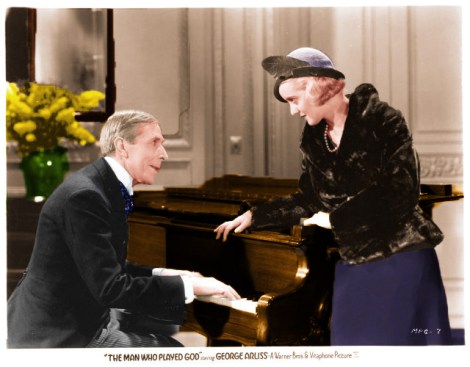
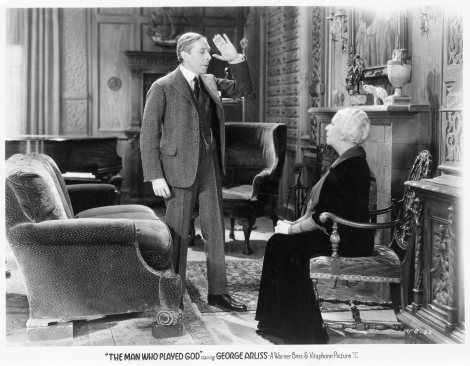
THE MAN WHO PLAYED GOD tells the story of wealthy concert pianist Montgomery Royle who, at the age of 50, is at the pinnacle of his career. Monty also has a beautiful young protege Grace, who convinces Royle to marry her in six months:
But while he is in Paris, Monty gives an impromptu recital for a visiting monarch that abruptly ends in an assassination attempt against the king. No one is injured except Royle – the bomb blast has destroyed his hearing:
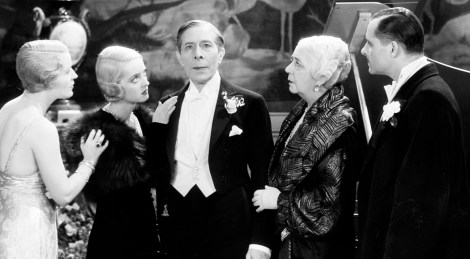
Violet Heming, Bette Davis, Mr. A, Louise Closser Hale, and Andre Luguet as the king
Back in New York City, Monty learns lipreading but becomes increasingly despondent and despises the piano. His longtime servant, Battle (played by longtime Arliss player Ivan Simpson in both the movie and radio broadcast), senses that Royle may attempt to harm himself:
Monty’s sister Florence (played in the film by Louise Closser Hale) is unable to console him or deal with his increasing outbursts:
Sending Battle out of the room on a pretext, Monty attempts to leap to his death:
Monty tries out his lipreading abilities with a pair of binoculars, and “eavesdrops” on the people across the street in Central Park. He cynically observes a young man’s plight of lacking a $1,000 for a medical treatment that would save his life. Since God doesn’t seem to want to help the young man, Royle decides that he will by anonymously sending Battle down to give him the needed money. But Monty soon realizes that God may be having the last laugh because without his affliction, Monty would not have been in a position to save the man’s life.
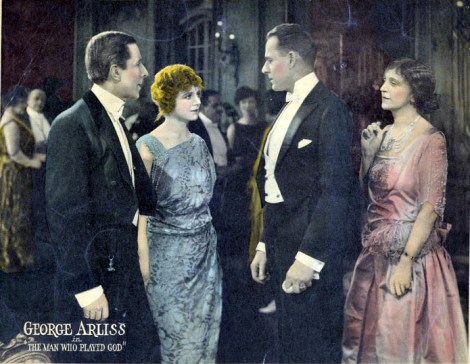
An original color lobby card from the lost 1922 version that Mr. A made during the silent film era:
This sudden burst of cynical philanthropy soon develops into a “business” as Royle searches for new “customers” in need so that he can continue to “play God.” But one day he spys his fiance Grace in the park telling a young man that she feels duty-bound to go through with her marriage to Royle and so they must never see each other again. Monty is stunned and quietly asks himself, “I wonder what God would do in a case like this.”
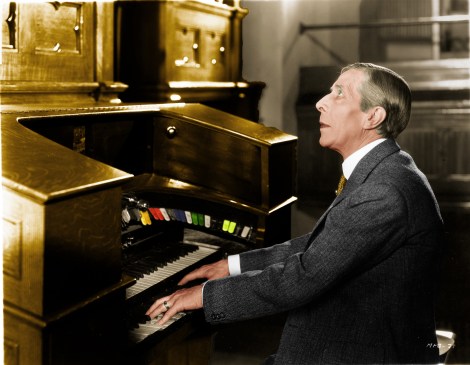
The story’s resolution is both touching and believable as Royle learns that it’s not so easy to behave like God. Having abandoned performing because he can no longer enjoy the music, he decides to play again because other people can enjoy it, including The King:
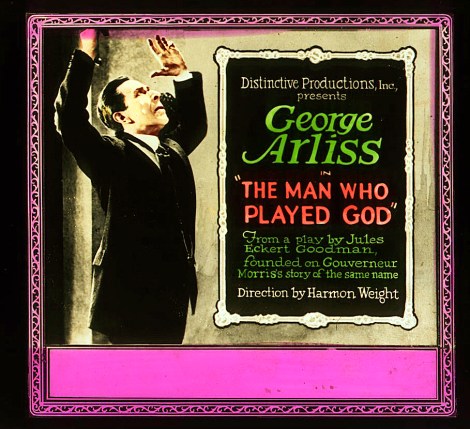
Montgomery Royle rages against God – a glass slide from the 1922 silent version:




















 ARLISS ARCHIVES
You must be logged in to post a comment.